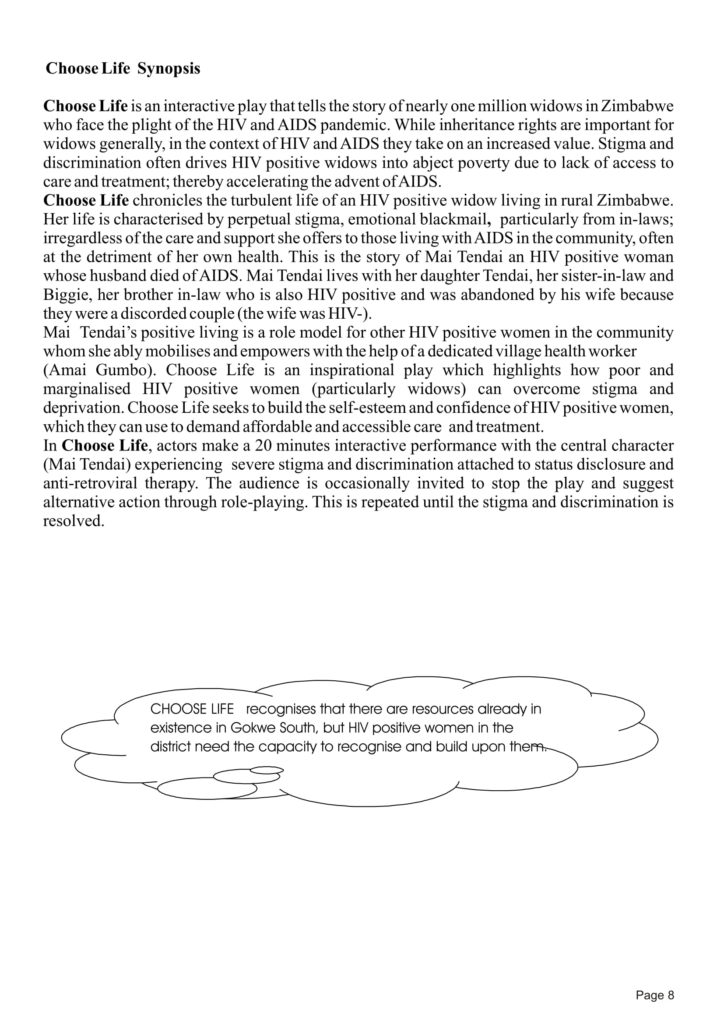
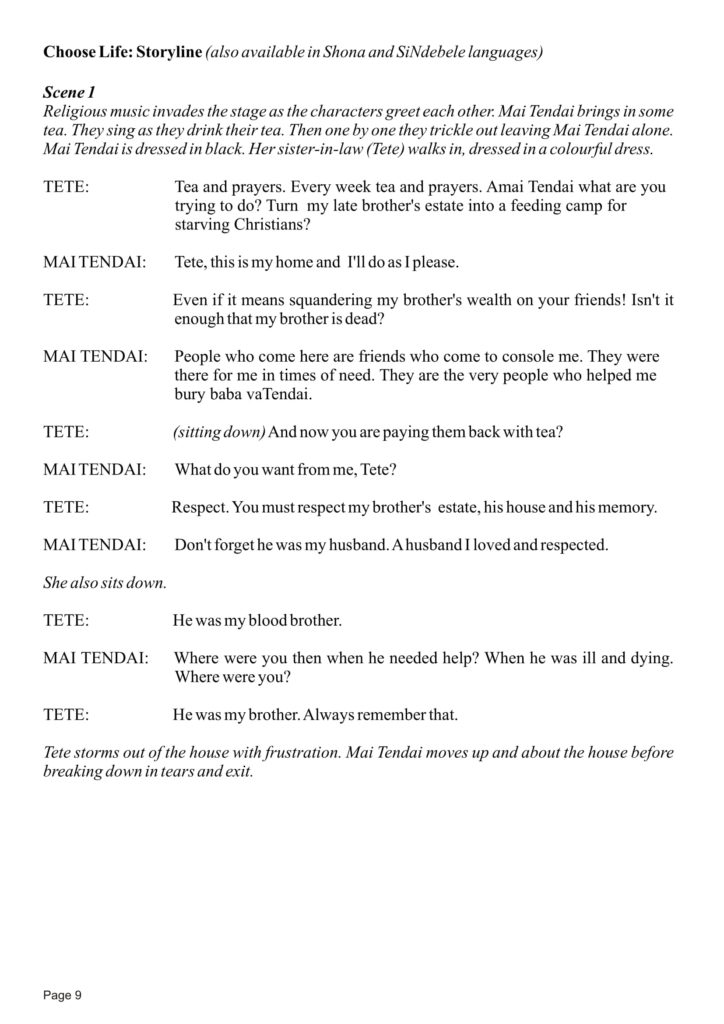
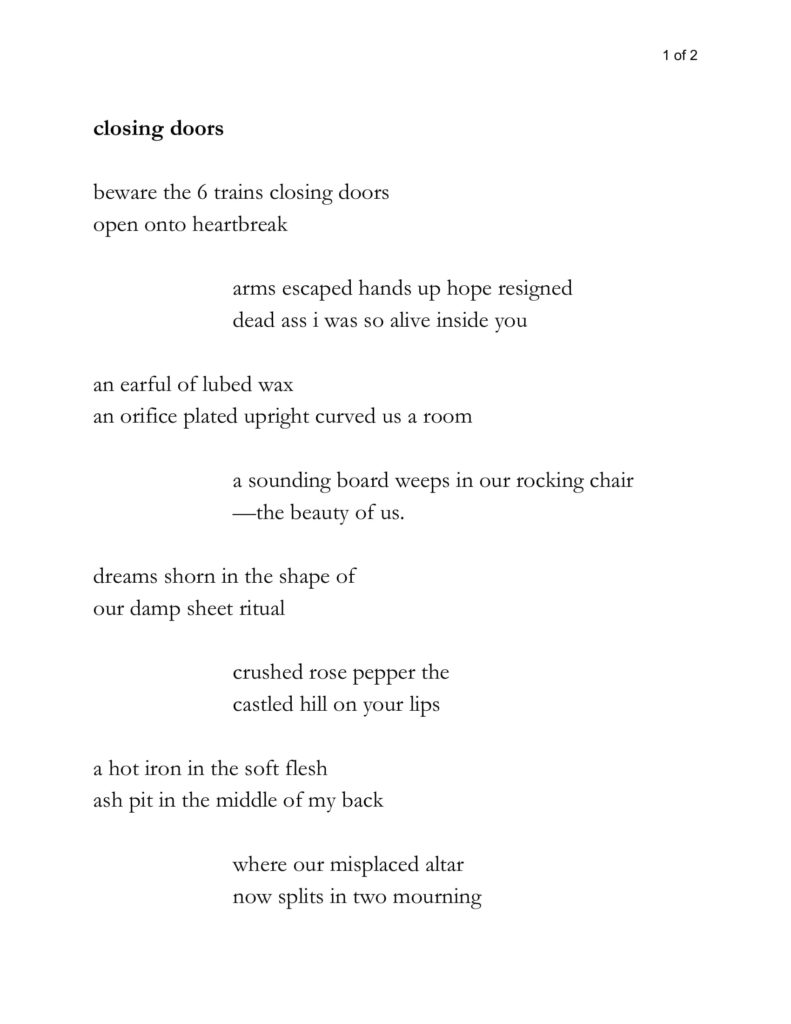
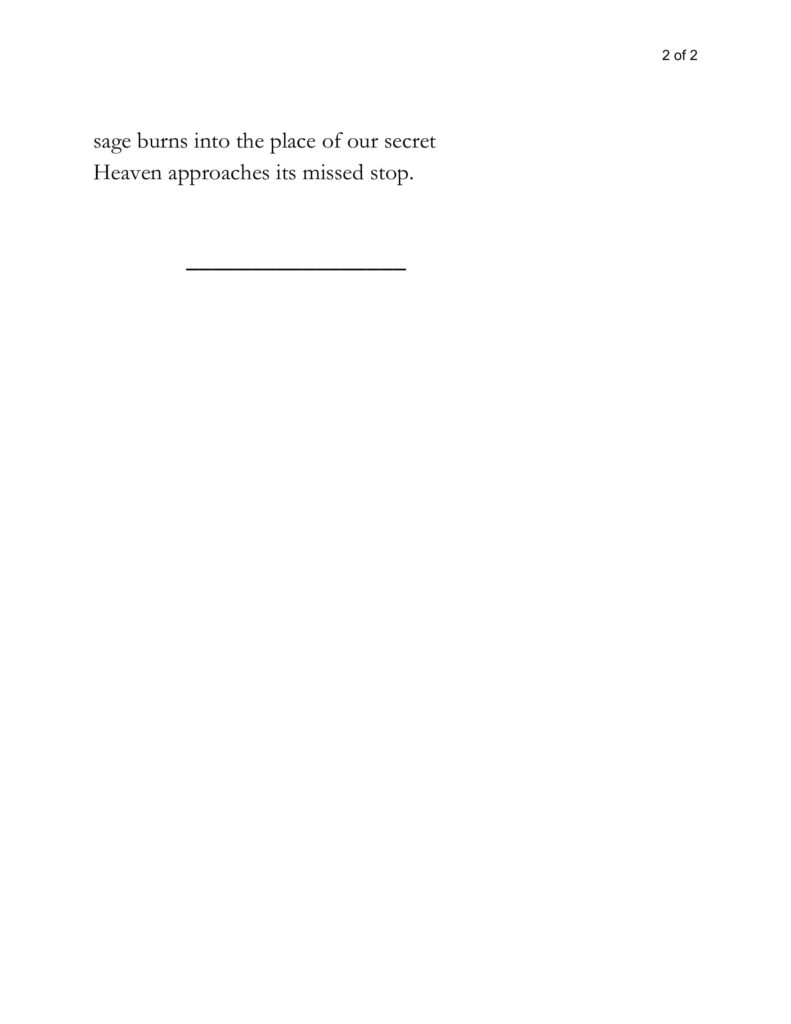
'Maidei', Synopsis + Scene 1 #LPW2020

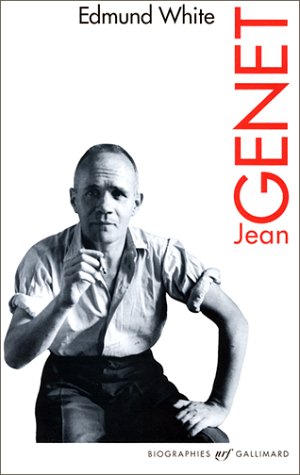
If writing is a committed utopian action, then the Jean Genet of Edmund White’s engaging, impressive, transformative Genet: A Biography was the epitome of manic depression. Genet wrote his five novels in five years, from 1942-47. After seven years of sadness and silence, he wrote his three best known plays in two years. The subsequent 1960’s were filled with death as his lover, Abdallah (a high wire performer) committed suicide, his agent and English translator Bernard Fruchtman committed suicide, and Genet himself tried to commit suicide. Then he entered into the other utopian endeavor: activism. From 1970 until his death in 1986, Genet was aligned with oppressed people and supported them in energetic ways, on their terms and on his own. White calls him “an apostle of the wretched of the earth.”
Read More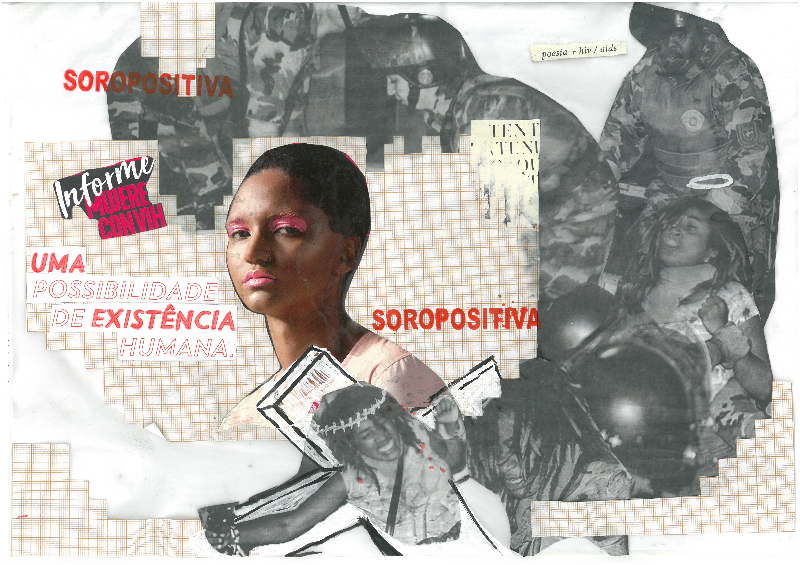
Image: $oropositiva, by Micaela Cyrino for LovePositiveWomen2019
Collage on greaseproof paper and serigraphy
30 x 40cm
In some ways the whole LUV experience has geared us up for Love Positive Women 2020. In March 2019 I visited Egypt and afterwards, Paris where I met the Ankh (Arab Network for Knowledge on Human Rights) Association. The Ankh guys moved to Paris after a long period of activism on access to HIV meds in Cairo. From Paris they made the Points of Life exhibit that featured artists and activists from Egypt and the Middle East living with HIV. ‘Behind the Curtain’ is an image and text by Iman, an artist living in Egypt. Daniel Santiago Salguero’s project, Luciérnagas began with the idea to consider the changing situation–HIV info, support and medication access–in Bogotá with new arrivals of Venezuelans in the wake of that country’s financial crisis. It ended as an experimental performance in Bogotá’s Botanical Gardens. I met Jackie during the project’s conclusion in October 2019. Daniel interviews her for LovePositiveWomen2020 and further reflects on the Luciérnagas process.
Read More

[*It is very exciting (and an honor) to get to imagine and implement ideas for Love Positive Women 2020 in Khartoum (Sudan), New York City (US), São Paulo (Brasil) and other places in South America. Designer Adham Bakry (Port Said/Cairo) came up with a version of the Love Positive Women insignia in Arabic and Gustavo Marcasse in both Portuguese and Spanish. Love Positive Women is a project by Jessica Whitbread. xo Todd]
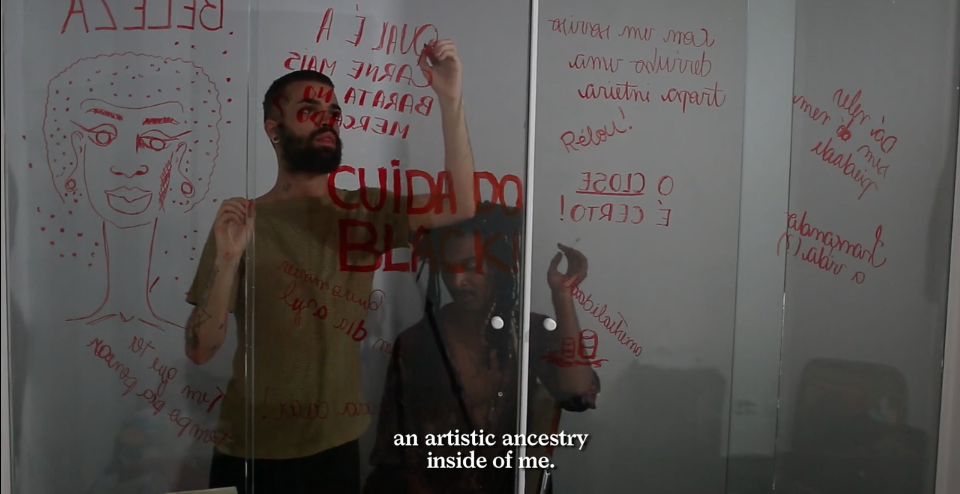
Watch: Queer City / Cicade Queer, by Danila Bustamante.
Bodies that listen, dance, resist, manifest and become visible in our contemporary city. Bodies that dance the sounds of funk music, rap, samba, voguing, waacking, among other sonic styles of contestation, resistance and struggle. Through talks, dinners, experiences and exchanges, a city seeks to discuss how we live, work, share and survive the different LGBT+ stories and realities. The mini-documentary “Cidade Queer / Queer City”, directed by Danila Bustamante, takes its name from a 2016 site-specific, collective curatorial process in São Paulo, Brazil.
Read More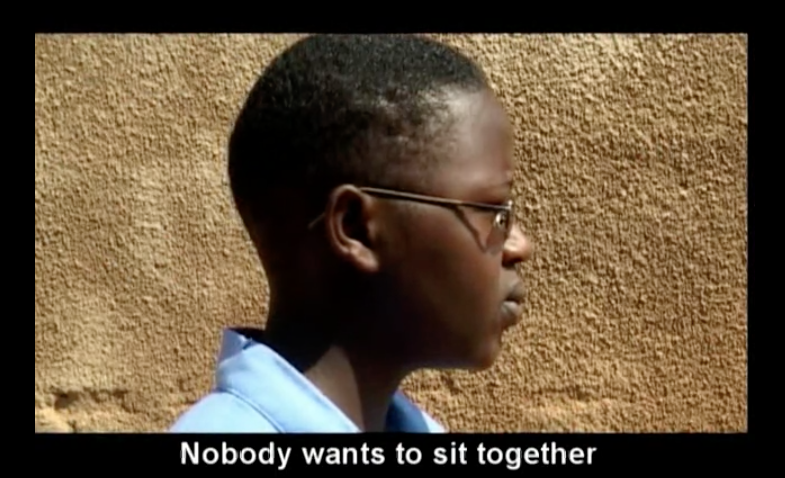
Watch: INGABIRE “Gift” (2005), by Jesse Hawkes.
For its first Rwandan Film Festival in 2005, the Rwanda Cinema Centre helped several young directors and groups of actors to make films on important issues in Rwanda. The film “Ingabire” was based on an original musical theatre piece that was created by a group of high school students at an HIV Prevention conference earlier in the year. It was based on true stories from their lives and lives of their friends. The film still resonates today. During a recent Global Youth Connect workshop, I showed this film and the participants insisted that “stigma against people living with HIV does not exist in Rwanda today.” Little did they know that there was a GYC delegate from Rwanda standing in that room who didn’t disclose their status among these peers for fear of stigma. Apologies for the subtitles, but we created it in two days, and English was not one of the key languages of the staff at that time. Rwanda has since shifted from French to English as its official second language of instruction in schools after Kinyarwanda, which is the language you hear in the film.
Read More
This year Love Positive Women is so big for us it constitutes an ACT … Act 1.5 to be exact. The acts are dramaturgically useful for steering Luv ’til it Hurts toward its endpoint in mid-2020, and in that way reveal various ‘assemblages’ (or intense clusters) along the two-year course. While the ‘business plan’ of ACT II is about to be revealed (around Feb 14) with a graphic poster by Brasilian illustrator, chef, Umbandista and cat lover, PogoLand (who says artists don’t make worlds?), the co-making of activities in São Paulo, Khartoum and NYC for Love Positive Women 2020 and sequencing 14 days of women-authored and -focused online content took on a life (or ‘act’ as it were) of its own. Working with Canadian artist, Jessica Whitbread and using her ‘open source’ model for the Love Positive Women fourteen-day holiday has been a labor of LUV. And as such, we’ve learned some things. When we first started talking about her work in 2018, Jessica sent me the 2018 Love Positive Women holiday implementation guide (please download and use). I have written before on the LUV site about making (or why making) an ‘open work’, which is a reference to Umberto Eco’s writing at length on the prospect. Whether duration is called out by name or not, an open or open source work must consider duration and endurance. And, I think, whether it is growing in the intended direction over time. I’ve made three durational, rights-themed, multi-stakeholder projects for 10, 5 and 2 years respectively. So, I am familiar with the vernacular and semantics–and a new phrase, ‘articulation curve’–involved in the creation of a long-term project, and in this case a new 14-day holiday to celebrate positive women.
Read More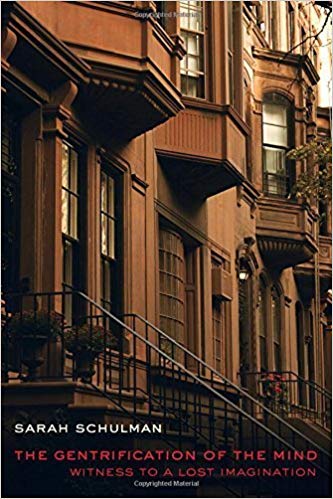
[ *Back during the making of Cidade Queer (an inquiry opened by Lanchonete.org), I got the chance to ask some colleagues their views on queerness and a right to the city. I asked Sarah Schulman if ‘the urban’—yes, cities as well as urban encounters…but also the space and right(s) to live in, work in, and share the contemporary city—is an important source or reference for her work? Jose Esteban Muñoz begins his book, “Cruising Utopia: The Then and There of Queer Futurity” (2009), with these words: “Queerness is an aspiration toward the future. To be queer is to imagine better possible futures.” So I guess what I’m asking is what a queer urban future might look/feel like to you? xo, Todd ]
Read More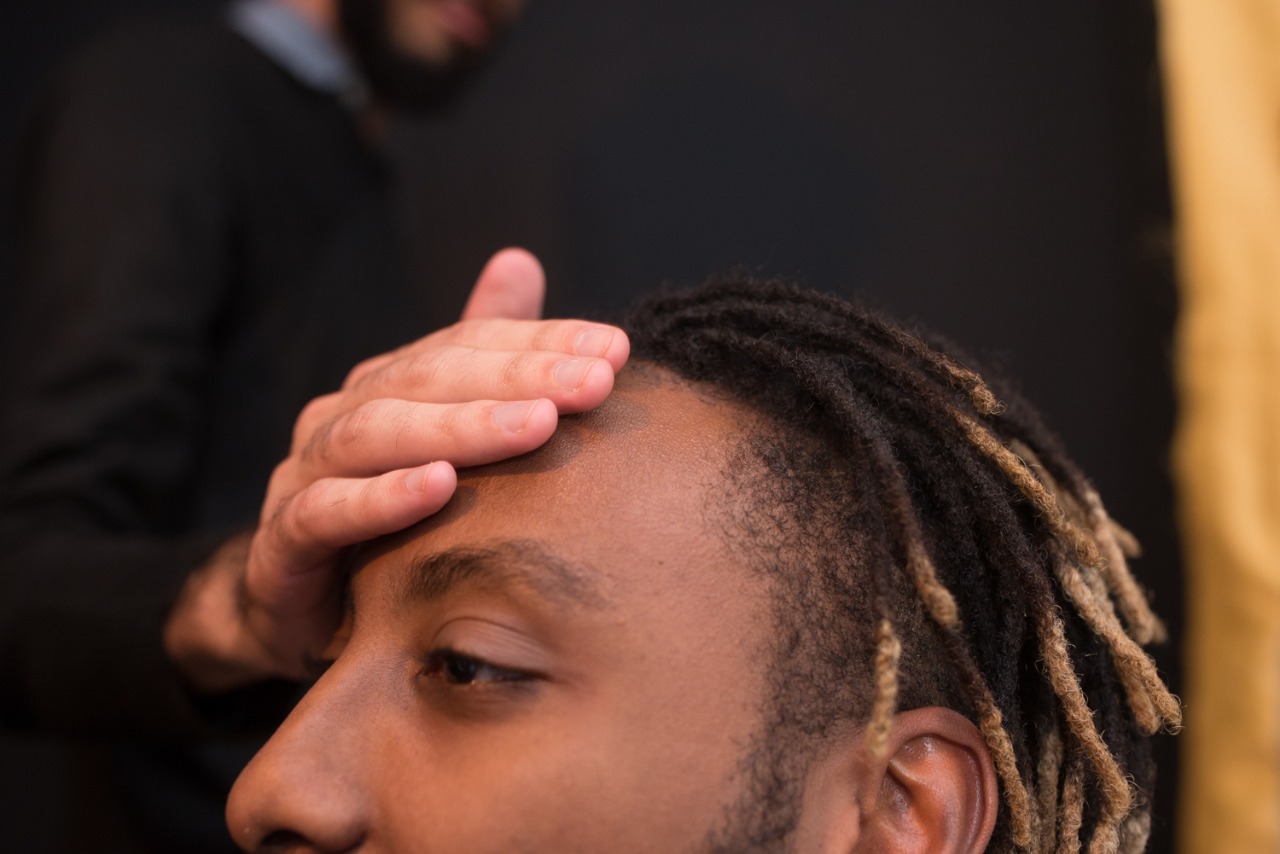
[*Alberto Pereira Jr. first made ‘Please, touch me’ for a 2019 workshop in São Paulo. His production notes are the third in a series that also includes a project abstract #movingtarget and creative writing, ELE. xo, Todd]
PT
Instigado por um workshop realizado no instituto Itaú Cultural, sobre estigma e produção artística contemporânea em relação ao tema HIV/Aids, realizei a minha segunda saída do armário: vivendo há 10 anos com HIV, criei a performance “Por favor, toque-me”, revelando meu status positivo e convidando o público a ressignificar a imagem pré-concebida de um corpo positivo.
Read More